 Soul7.0
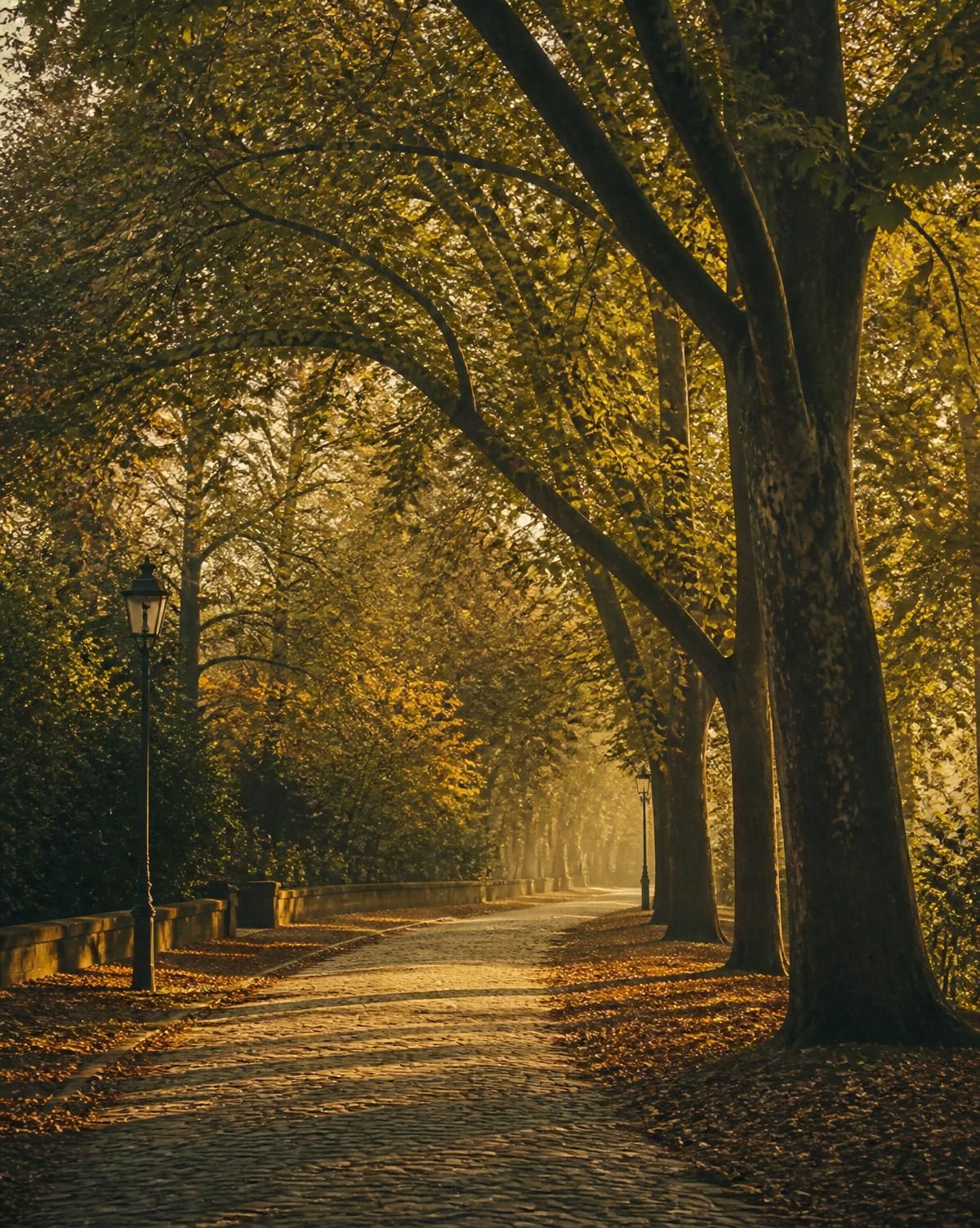
Example route
Riverside loop
Utrecht · Netherlands
Card anatomy shown with placeholder content. Live routes use the same structure on all four sites.
- Distance
- 8.4km
- Ascent
- 62m
PureSoul Family
One set of components across Walking, Running, Hiking, Cycling and Family: accordions, map controls, route cards, Soul Score presentation, key stats and buttons. Same anatomy, same rhythm, same tone.
01 · Buttons and CTAs
Primary for the single most important action on a screen, outline for everything else, quiet for tertiary actions, and a light variant for use over photography.

02 · Key stats and Soul Score
Key stats sit directly under the route title. The Soul Score is always seven axes, always averaged to one figure out of ten.
Soul Score · ridge traverse
Seven axes · averaged
6.8/10
03 · Route cards
Image, brand mark and Soul Score badge, title, location, short description, stats, then a single clear action.
Soul7.0Example route
Utrecht · Netherlands
Card anatomy shown with placeholder content. Live routes use the same structure on all four sites.
Soul6.5Example route
Zandvoort · Netherlands
Card anatomy shown with placeholder content. Live routes use the same structure on all four sites.
Soul6.8Example route
Eifel · Germany
Card anatomy shown with placeholder content. Live routes use the same structure on all four sites.
04 · Full-screen map controls
A single control cluster, right aligned and thumb-reachable on mobile: zoom, locate, layers, full screen and GPX. Full screen is the real thing — the map fills the device, controls stay put, Escape returns you.
05 · Accordions
Long route descriptions, access notes, seasonal guidance and safety text collapse into hairline rows. The essentials stay visible; the detail is one calm click away.
Access sections always lead with the simplest reliable option, then add parking, bus and cycle alternatives underneath.
Seasonal text describes surface, light and crowd conditions per season.
Preparation notes stay short, factual and specific to the route.